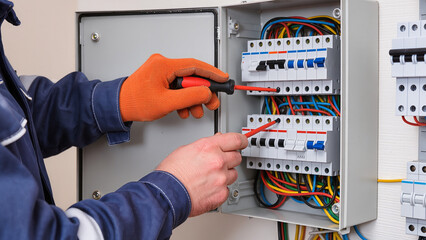
Taking electrical safety seriously is crucial for homeowners. If you notice signs of problems such as flickering lights or a breaker that trips frequently, it’s time to call an expert Electrician Jacksonville NC.
Use outlet covers and plates to prevent curious kids from sticking objects into outlets. Never rely on extension cords for permanent power and replace any that are frayed or worn.
1. Inspect Electrical Outlets
Electrical fires cause thousands of home and business fires every year, costing lives and millions of dollars in property damage. Often, these fires start in hidden areas of the structure and can smolder for a long time before they’re discovered, increasing the chances of fatal smoke inhalation. Regular electrical inspections can identify potential hazards and help reduce the number of fires, injuries and deaths caused by electrical failures in homes and commercial buildings.
Outlets, switches and plugs can wear down over time or become loose, leading to malfunctions and short circuits. When this happens, it’s important to replace the outlets and switches with newer models that meet current safety standards. Older homes, in particular, may have outdated aluminum wiring, which is considered a fire hazard and needs to be replaced with copper to prevent wires from overheating and causing fires.
Overloaded circuits are another common electrical problem that can lead to fires and shocks. It’s important to keep track of how many high-draw appliances are plugged into one circuit, and hire an electrician to redistribute the load or install additional outlets.
Make sure to use only one heat-producing appliance – such as a space heater or hair dryer – at a time per outlet, and avoid using extension cords and power strips. Also, consider upgrading any two-prong outlets to a ground-fault circuit interrupter (GFCI) in wet areas, like bathrooms and kitchens. It’s also a good idea to put plastic safety caps on unused outlets, especially in households with children and pets. This will prevent curious fingers from inserting objects into the outlets and causing shocks. Lastly, always unplug light fixtures before changing the bulb and screw in new bulbs tightly to minimize the risk of electrical fires.
2. Keep Cords Clean
Electrical cords are a common household item, but they’re also a major fire hazard and safety risk. In fact, extension cords account for a significant portion of home electrical fires.
It’s important to keep in mind that extension cords should only be used for temporary powering devices, and shouldn’t be plugged into outlets that are overloaded. Overloaded outlets are a leading cause of building fires, and they can overheat and melt outlet covers, wires, and cords.
Another issue is when extension cords are damaged or tampered with, such as when they’re stapled to the wall or buried under furniture. Never use nails or staples to secure a power cord, as this will puncture the insulation and increase the chance of electrical failure and equipment damage. Instead, use a cord clip to hold your extension cord in place, which will allow you to still move it easily and prevent overheating and other issues.
You should also check and replace any extension cords that have become frayed or worn, as these pose a serious fire risk and could be a sign of damage to the internal wires. Also, avoid running cords under rugs or furniture, as these can pose a tripping hazard and cause the cords to overheat.
Keeping up with these electrical safety tips will help you maintain a safe and functioning house, but it’s also important to work with a qualified electrician when installing or repairing your home’s electrical system. Contact a local electrician to discuss your electrical safety needs and schedule regular inspections, as these are key to catching problems before they lead to an accident or fire. If you’re looking to install new electrical appliances or fixtures, consider working with a contractor certified by ESFI.
3. Don’t Touch Bare Wires
Electrical wiring runs throughout our homes, connecting our appliances and lighting with the power that brings them to life. Keeping this wire in good condition is essential to the safety of our families. When a wire comes into contact with something that it shouldn’t, it can become dangerous and cause fire hazards or even electrocution. Here are some simple electrical safety tips to help keep you and your family safe.
The most important tip to remember is that it’s always a bad idea to touch any bare wires. These wires, usually found near outlets or light fixtures, carry electricity and should never be touched. If you’re ever unsure of what kind of cord or wiring you are dealing with, it’s best to call a professional electrician to ensure your safety.
It’s also important to stay aware of any overhead power lines when working outdoors or doing DIY projects. A man in Charlotte County was recently electrocuted after his tree limbs came into contact with a power line, making it one of the top electric accidents in the country. If you see a downed line, call the power company or your local police department immediately.
Another reason to follow electrical safety tips is to never overload outlets. Each circuit is rated to handle a certain amount of electricity, so plugging in more than it can handle causes a surge that can lead to fires or electric shock. Always use extension cords sparingly and only plug in one heat-producing appliance at a time. Avoid using multiple adapters or power strips to add outlets, and be sure to unplug lamps before changing their lightbulbs.
Additionally, it’s essential to keep electricity away from water. This prevents damage to appliances and can protect you from personal injury or electrocution. Keep cords away from sinks, bathtubs and showers to reduce the risk of them leaking or getting wet. Also, make sure to always dry your hands after handling electrical equipment.
4. Unplug Unused Appliances
Many people forget that appliances like toasters, coffee makers, and traditional lamps are still plugged in and using electricity even when they’re turned off. While the appliances themselves don’t draw a lot of power, if they are left plugged in all day and night, their phantom energy consumption can add up to significant amounts over time.
Unplugging unused devices can help lower your electric bill, but it also protects your appliances from potential damage from power surges. Power surges are sudden increases in voltage that can damage electronics and increase the risk of electrical fires. Even if you have whole-home surge protection or individual surge protectors throughout your home, leaving unused devices plugged in could lead to damage over time.
Make it a habit to unplug appliances when they aren’t in use to prevent them from using electricity. If you have trouble remembering to do so, try using a smart plug that lets you set power schedules for your devices. You can also purchase energy monitors to help you see how much electricity your appliances are using and how they’re consuming it.
Another important safety tip is to keep cords out of the reach of children and pets. Keep cords away from walls and other objects that they can pull on or run into, and don’t wrap them tightly around objects (which can stretch the cords out of shape and cause overheating). Never rest a cord on a hot surface, as this can also cause it to overheat and become a fire hazard. Also, be sure to always shut off the power at the circuit breaker before changing light bulbs.
5. Schedule Regular Electrical Inspections
Electrical problems are among the top causes of home fires, and they can also endanger your family’s health and safety. A regular electrical inspection helps reduce risks, extends equipment life, and saves on energy costs over time.
When scheduling an electrical inspection, prepare your home by ensuring the electrician has easy access to your main electrical panel (usually located in a basement, garage or utility closet). Remove furniture and any items blocking access to outlets and switches. If you’ve noticed any specific electrical issues, such as a switch that feels hot to the touch or an overheated outlet, share these details with your electrician so they can focus their inspection on those areas.
If you use extension cords, make sure they’re plugged into outlets that are properly grounded and have the proper wattage for your appliances. Never plug multiple heat-generating devices into the same outlet or power strip, and be mindful of how close they are to water sources, such as sinks, tubs and showers, as this can create a dangerous situation.
When you schedule a routine electrical inspection, your licensed electrician will perform a thorough visual assessment of your wiring and components. They’ll test every outlet, switch and fixture for damage and determine if they can support your household’s current load. They’ll also review your electrical panel to ensure it meets current codes and can accommodate the demands of modern appliances. A comprehensive electrical inspection gives you greater peace of mind and ensures your home’s electrical system continues to function safely year-round.