A home should feel solid beneath your feet. When you walk across a room, you expect stability, balance, and comfort. But if you begin to notice subtle slopes, dips, or a sense that furniture is no longer sitting level, it may be more than simple wear and tear. Uneven floors are often one of the earliest and most noticeable warning signs of underlying foundation issues. Ignoring these signs can lead to structural damage, safety hazards, and costly repairs down the road.
Understanding the relationship between uneven floors and foundation problems is crucial for homeowners who want to protect their property value and maintain a safe living environment. In many cases, floor irregularities do not develop overnight. They evolve gradually as soil shifts, moisture levels change, or structural components weaken. By recognizing early indicators and taking action promptly, you can prevent minor concerns from becoming major structural challenges with Foundation Repair Nashville.
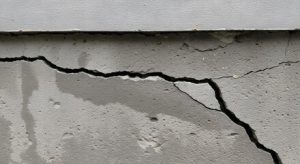
Why Floors Become Uneven
Uneven floors are typically a symptom rather than the root cause of a problem. In most situations, the issue begins below the surface — literally. The foundation is responsible for distributing the weight of your entire home evenly across the ground. When it shifts, settles unevenly, or deteriorates, the structural framework above it responds accordingly.
There are several common causes of uneven floors, including:
- Foundation settlement – Over time, soil beneath a home can compress or shift, causing sections of the foundation to sink.
- Excess moisture or poor drainage – Water can weaken soil stability, leading to expansion and contraction that affects the foundation’s support.
- Crawl space or basement structural damage – Rotting beams, weakened joists, or corroded supports can allow floors to sag.
- Improper construction or aging materials – As homes age, structural components may lose strength or shift slightly.
While slight imperfections may not immediately indicate serious damage, noticeable slopes or soft spots should never be ignored.
Common Signs of Uneven Floors
Sometimes, uneven floors are obvious. Other times, they are subtle enough that homeowners question whether the issue is real. Knowing what to look for can help you identify potential foundation concerns early.
Sloping or Sagging Surfaces
One of the clearest signs of foundation problems is a floor that visibly slopes in one direction. You might notice that a ball rolls across the room on its own or that you feel slightly off balance while walking. Sagging floors often indicate weakened support beams or shifting foundation sections underneath the home.
In homes with crawl spaces, sagging can occur when wooden joists are exposed to long-term moisture, leading to rot and reduced load-bearing capacity. In slab foundations, uneven settlement may cause one section of the concrete to drop lower than another.
Cracks in Flooring Materials
Cracked tiles, separating hardwood planks, or gaps in laminate flooring can signal that the subfloor beneath is shifting. When the foundation moves, even slightly, rigid materials like tile often crack first. These surface-level symptoms may appear cosmetic, but they frequently point to structural movement below.
If cracks reappear after being repaired, it’s often a sign that the underlying cause — such as foundation instability — has not been addressed.
Doors and Cabinets No Longer Align
Although this symptom affects more than just floors, it often accompanies uneven surfaces. If interior doors swing open or closed on their own, or cabinets appear tilted, the floor beneath them may not be level. Since door frames are attached to the structural framework of the home, foundation movement can cause misalignment throughout the interior.
How Foundation Issues Develop
To fully understand the connection between uneven floors and foundation damage, it’s important to look at what happens below the home.
Soil plays a critical role in foundation stability. Different soil types expand and contract at varying rates depending on moisture levels. When soil absorbs water, it can swell and push against the foundation. During dry conditions, it may shrink and create voids beneath the structure. This repeated expansion and contraction places stress on the foundation, eventually leading to cracks, shifting, and settlement.
There are two primary ways foundation movement can affect floors:
- Differential settlement – When one section of the foundation sinks more than another, it creates an uneven base that transfers upward into the floor system.
- Structural beam displacement – If support beams or piers move due to foundation shifts, the floors they hold up will sag or slope accordingly.
Over time, these movements may worsen if not addressed, leading to increased structural strain.
Additional Warning Signs to Watch For
Uneven floors rarely occur in isolation. They are often accompanied by other symptoms that confirm foundational distress.
Wall and Ceiling Cracks
Cracks along walls, especially near door frames and windows, often appear when a foundation shifts. Diagonal cracks are particularly concerning because they indicate uneven settling. When combined with uneven floors, these cracks strengthen the case for a foundation inspection.
Gaps Between Walls and Floors
If you notice visible separation between baseboards and flooring, it may indicate that one section of the home has dropped slightly. These gaps can also appear between walls and ceilings as the structure adjusts to movement below.
Bouncy or Spongy Flooring
A floor that feels soft underfoot may signal deteriorating support beams or subfloor damage. While this can sometimes be caused by localized moisture problems, it may also relate to structural shifts stemming from foundation issues.
The Long-Term Risks of Ignoring Uneven Floors
Some homeowners delay addressing uneven floors because the problem seems minor. However, even small foundation issues can escalate over time. Structural movement tends to worsen rather than stabilize without intervention.
Ignoring the problem can lead to:
- Increased structural stress on walls and roofing systems
- Plumbing line damage due to shifting pipes
- Reduced property value
- Higher repair costs in the future
Foundation repairs are often more affordable when caught early. Waiting until visible damage spreads throughout the home typically results in more extensive and expensive solutions.
Professional Inspection and Diagnosis
While a slight floor slope in an older home may not always indicate immediate danger, determining the difference between normal aging and structural concern requires professional evaluation. A foundation specialist can measure floor elevation changes, inspect crawl spaces or basements, and identify signs of soil instability.
A thorough assessment typically includes:
- Checking for cracks in the foundation itself
- Measuring floor level variations
- Evaluating moisture levels around the perimeter
- Inspecting support beams and joists
By pinpointing the root cause, homeowners can pursue targeted repairs rather than temporary cosmetic fixes.
Repair Options for Uneven Floors and Foundation Problems
The solution depends on the severity and source of the issue. Minor structural sagging caused by weakened beams may be corrected with reinforcement or additional support. More significant foundation settlement may require underpinning methods designed to stabilize and lift affected sections.
Common repair approaches include:
- Installing foundation piers to stabilize settling areas
- Adding support posts in crawl spaces
- Repairing or replacing damaged floor joists
- Improving drainage systems to prevent soil erosion
Addressing both the foundation and any damaged flooring materials ensures long-term stability and safety.
Preventative Measures to Protect Your Foundation
Preventing uneven floors often starts with proactive maintenance. Because moisture is one of the most common contributors to foundation movement, controlling water around the home is essential.
Homeowners can reduce risk by:
- Ensuring proper grading to direct water away from the foundation
- Maintaining gutters and downspouts to prevent pooling
- Monitoring indoor humidity levels
- Scheduling periodic structural inspections
Small maintenance efforts can significantly reduce the likelihood of major foundation repairs later.
When to Take Immediate Action
Certain signs demand prompt attention. If you notice rapidly widening cracks, severe floor slopes, or doors that no longer close at all, immediate inspection is advisable. Sudden structural changes may indicate accelerated foundation movement that requires urgent stabilization.
Additionally, if uneven floors are accompanied by exterior foundation cracks or visible gaps along the home’s perimeter, delaying evaluation can increase structural risk.
Protecting Your Investment
Your home is likely one of your most significant financial investments. Uneven floors may initially seem like a minor inconvenience, but they can be an early warning sign of deeper structural concerns. Recognizing the connection between floor irregularities and foundation issues empowers homeowners to act quickly and wisely.
By understanding the causes, identifying the symptoms, and seeking professional guidance when necessary, you can maintain the structural integrity of your property for years to come. Stable foundations support safe, comfortable living spaces. When the ground beneath your home shifts, your floors often tell the story first. Listening to those signs — and responding appropriately — can save you time, money, and stress in the long run.
Addressing uneven floors is not simply about aesthetics; it is about protecting the framework that holds your entire home together. Taking proactive steps today ensures that your floors remain level, your walls stay strong, and your foundation continues to provide the support your home depends on.