Signs of Uneven Floors and How They Relate to Foundation Issues

A home should feel solid beneath your feet. When you walk across a room, you expect stability, balance, and comfort. But if you begin to notice subtle slopes, dips, or a sense that furniture is no longer sitting level, it may be more than simple wear and tear. Uneven floors are often one of the earliest and most noticeable warning signs of underlying foundation issues. Ignoring these signs can lead to structural damage, safety hazards, and costly repairs down the road.

Understanding the relationship between uneven floors and foundation problems is crucial for homeowners who want to protect their property value and maintain a safe living environment. In many cases, floor irregularities do not develop overnight. They evolve gradually as soil shifts, moisture levels change, or structural components weaken. By recognizing early indicators and taking action promptly, you can prevent minor concerns from becoming major structural challenges with Foundation Repair Nashville.
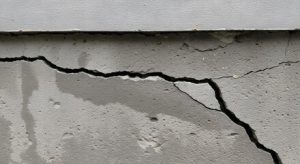
foundation repair

Why Floors Become Uneven

Uneven floors are typically a symptom rather than the root cause of a problem. In most situations, the issue begins below the surface — literally. The foundation is responsible for distributing the weight of your entire home evenly across the ground. When it shifts, settles unevenly, or deteriorates, the structural framework above it responds accordingly.

There are several common causes of uneven floors, including:

  1. Foundation settlement – Over time, soil beneath a home can compress or shift, causing sections of the foundation to sink.
  2. Excess moisture or poor drainage – Water can weaken soil stability, leading to expansion and contraction that affects the foundation’s support.
  3. Crawl space or basement structural damage – Rotting beams, weakened joists, or corroded supports can allow floors to sag.
  4. Improper construction or aging materials – As homes age, structural components may lose strength or shift slightly.

While slight imperfections may not immediately indicate serious damage, noticeable slopes or soft spots should never be ignored.

Common Signs of Uneven Floors

Sometimes, uneven floors are obvious. Other times, they are subtle enough that homeowners question whether the issue is real. Knowing what to look for can help you identify potential foundation concerns early.

Sloping or Sagging Surfaces

One of the clearest signs of foundation problems is a floor that visibly slopes in one direction. You might notice that a ball rolls across the room on its own or that you feel slightly off balance while walking. Sagging floors often indicate weakened support beams or shifting foundation sections underneath the home.

In homes with crawl spaces, sagging can occur when wooden joists are exposed to long-term moisture, leading to rot and reduced load-bearing capacity. In slab foundations, uneven settlement may cause one section of the concrete to drop lower than another.

Cracks in Flooring Materials

Cracked tiles, separating hardwood planks, or gaps in laminate flooring can signal that the subfloor beneath is shifting. When the foundation moves, even slightly, rigid materials like tile often crack first. These surface-level symptoms may appear cosmetic, but they frequently point to structural movement below.

If cracks reappear after being repaired, it’s often a sign that the underlying cause — such as foundation instability — has not been addressed.

Doors and Cabinets No Longer Align

Although this symptom affects more than just floors, it often accompanies uneven surfaces. If interior doors swing open or closed on their own, or cabinets appear tilted, the floor beneath them may not be level. Since door frames are attached to the structural framework of the home, foundation movement can cause misalignment throughout the interior.

How Foundation Issues Develop

To fully understand the connection between uneven floors and foundation damage, it’s important to look at what happens below the home.

Soil plays a critical role in foundation stability. Different soil types expand and contract at varying rates depending on moisture levels. When soil absorbs water, it can swell and push against the foundation. During dry conditions, it may shrink and create voids beneath the structure. This repeated expansion and contraction places stress on the foundation, eventually leading to cracks, shifting, and settlement.

There are two primary ways foundation movement can affect floors:

  1. Differential settlement – When one section of the foundation sinks more than another, it creates an uneven base that transfers upward into the floor system.
  2. Structural beam displacement – If support beams or piers move due to foundation shifts, the floors they hold up will sag or slope accordingly.

Over time, these movements may worsen if not addressed, leading to increased structural strain.

Additional Warning Signs to Watch For

Uneven floors rarely occur in isolation. They are often accompanied by other symptoms that confirm foundational distress.

Wall and Ceiling Cracks

Cracks along walls, especially near door frames and windows, often appear when a foundation shifts. Diagonal cracks are particularly concerning because they indicate uneven settling. When combined with uneven floors, these cracks strengthen the case for a foundation inspection.

Gaps Between Walls and Floors

If you notice visible separation between baseboards and flooring, it may indicate that one section of the home has dropped slightly. These gaps can also appear between walls and ceilings as the structure adjusts to movement below.

Bouncy or Spongy Flooring

A floor that feels soft underfoot may signal deteriorating support beams or subfloor damage. While this can sometimes be caused by localized moisture problems, it may also relate to structural shifts stemming from foundation issues.

The Long-Term Risks of Ignoring Uneven Floors

Some homeowners delay addressing uneven floors because the problem seems minor. However, even small foundation issues can escalate over time. Structural movement tends to worsen rather than stabilize without intervention.

Ignoring the problem can lead to:

  • Increased structural stress on walls and roofing systems
  • Plumbing line damage due to shifting pipes
  • Reduced property value
  • Higher repair costs in the future

Foundation repairs are often more affordable when caught early. Waiting until visible damage spreads throughout the home typically results in more extensive and expensive solutions.

Professional Inspection and Diagnosis

While a slight floor slope in an older home may not always indicate immediate danger, determining the difference between normal aging and structural concern requires professional evaluation. A foundation specialist can measure floor elevation changes, inspect crawl spaces or basements, and identify signs of soil instability.

A thorough assessment typically includes:

  1. Checking for cracks in the foundation itself
  2. Measuring floor level variations
  3. Evaluating moisture levels around the perimeter
  4. Inspecting support beams and joists

By pinpointing the root cause, homeowners can pursue targeted repairs rather than temporary cosmetic fixes.

Repair Options for Uneven Floors and Foundation Problems

The solution depends on the severity and source of the issue. Minor structural sagging caused by weakened beams may be corrected with reinforcement or additional support. More significant foundation settlement may require underpinning methods designed to stabilize and lift affected sections.

Common repair approaches include:

  • Installing foundation piers to stabilize settling areas
  • Adding support posts in crawl spaces
  • Repairing or replacing damaged floor joists
  • Improving drainage systems to prevent soil erosion

Addressing both the foundation and any damaged flooring materials ensures long-term stability and safety.

Preventative Measures to Protect Your Foundation

Preventing uneven floors often starts with proactive maintenance. Because moisture is one of the most common contributors to foundation movement, controlling water around the home is essential.

Homeowners can reduce risk by:

  1. Ensuring proper grading to direct water away from the foundation
  2. Maintaining gutters and downspouts to prevent pooling
  3. Monitoring indoor humidity levels
  4. Scheduling periodic structural inspections

Small maintenance efforts can significantly reduce the likelihood of major foundation repairs later.

When to Take Immediate Action

Certain signs demand prompt attention. If you notice rapidly widening cracks, severe floor slopes, or doors that no longer close at all, immediate inspection is advisable. Sudden structural changes may indicate accelerated foundation movement that requires urgent stabilization.

Additionally, if uneven floors are accompanied by exterior foundation cracks or visible gaps along the home’s perimeter, delaying evaluation can increase structural risk.

Protecting Your Investment

Your home is likely one of your most significant financial investments. Uneven floors may initially seem like a minor inconvenience, but they can be an early warning sign of deeper structural concerns. Recognizing the connection between floor irregularities and foundation issues empowers homeowners to act quickly and wisely.

By understanding the causes, identifying the symptoms, and seeking professional guidance when necessary, you can maintain the structural integrity of your property for years to come. Stable foundations support safe, comfortable living spaces. When the ground beneath your home shifts, your floors often tell the story first. Listening to those signs — and responding appropriately — can save you time, money, and stress in the long run.

Addressing uneven floors is not simply about aesthetics; it is about protecting the framework that holds your entire home together. Taking proactive steps today ensures that your floors remain level, your walls stay strong, and your foundation continues to provide the support your home depends on.
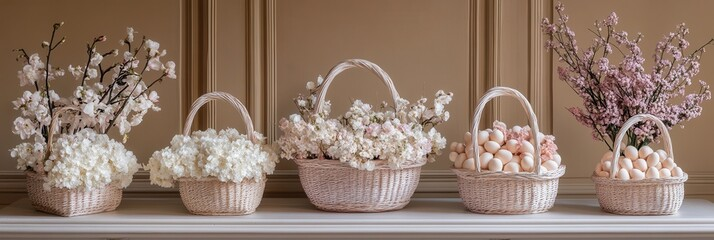
What Are Seasonal Collections of Inspired Floral Designs and Why Do They Matter?

Seasonal Collections Of Inspired Floral Designs celebrate the natural beauty, colors, and textures that each time of year brings. These collections are thoughtfully curated arrangements that reflect the changing seasons, using flowers, foliage, and design elements that are at their peak during specific times of the year. Whether used for weddings, events, home décor, or special occasions, seasonal floral designs create a sense of harmony with nature and elevate the emotional impact of any space.

Understanding how seasonal floral collections work and why they matter helps individuals and event planners choose designs that feel fresh, meaningful, and visually stunning.

Seasonal Collections of Inspired Floral Designs

The Concept Behind Seasonal Floral Collections

Seasonal floral collections are built around the idea that flowers have their own natural rhythms. Certain blooms thrive in spring, others shine in summer, and some reach their fullest expression in autumn or winter. Inspired floral designs embrace this cycle rather than working against it.

Designers select flowers that are naturally available during a season, allowing arrangements to feel organic and authentic. Seasonal collections often incorporate complementary foliage, textures, and color palettes that mirror the environment at that time of year.

This approach not only enhances visual appeal but also supports sustainability and freshness in floral design.

Why Seasonality Enhances Floral Design

Seasonality adds depth and meaning to floral arrangements. When flowers align with the time of year, they resonate emotionally and visually. Spring designs feel fresh and hopeful, summer designs feel abundant and vibrant, autumn designs feel warm and grounded, and winter designs feel elegant and refined.

Using seasonal flowers allows designers to work with blooms at their best quality. Flowers tend to be more vibrant, fragrant, and durable when they are in season. This results in arrangements that last longer and look more natural.

Seasonal floral collections also reflect cultural and emotional associations tied to different times of year, enhancing the overall experience.

Spring Seasonal Floral Collections

Spring seasonal collections are defined by renewal, softness, and fresh color palettes. After winter, spring florals symbolize new beginnings and growth. Designers often use pastel tones, light textures, and delicate blooms to capture the essence of the season.

Popular spring flowers include tulips, daffodils, ranunculus, peonies, hyacinths, and cherry blossoms. These blooms are often paired with fresh greenery such as eucalyptus or soft vines.

Spring inspired floral designs work beautifully for weddings, garden parties, and celebrations that emphasize optimism and romance. The overall aesthetic is light, airy, and full of life.

Summer Seasonal Floral Collections

Summer floral collections are bold, lush, and full of energy. This season offers an abundance of blooms, allowing designers to create rich and vibrant arrangements. Summer designs often feature bright colors, layered textures, and dramatic compositions.

Flowers commonly used in summer collections include roses, sunflowers, dahlias, zinnias, and hydrangeas. Tropical elements may also appear, adding an exotic and playful feel.

Summer inspired floral designs are ideal for outdoor events, celebrations, and spaces that call for warmth and vibrancy. These collections reflect joy, abundance, and celebration.

Autumn Seasonal Floral Collections

Autumn floral collections capture warmth, richness, and natural texture. As the landscape changes, floral designs shift toward deeper tones and earthy elements. Autumn inspired designs often incorporate warm colors such as burgundy, amber, rust, and gold.

Popular autumn flowers include chrysanthemums, asters, marigolds, and late season dahlias. Designers often incorporate dried elements, berries, branches, and foliage to enhance texture and depth.

Autumn collections feel grounded and cozy, making them perfect for harvest celebrations, fall weddings, and seasonal home décor. They evoke a sense of comfort and reflection.

Winter Seasonal Floral Collections

Winter floral collections focus on elegance, contrast, and refined simplicity. While fewer flowers bloom naturally in winter, inspired floral designs use creative combinations to achieve striking results.

Common winter elements include evergreens, pine, holly, amaryllis, anemones, and white roses. Metallic accents, berries, and textural greenery add interest and dimension.

Winter designs often emphasize clean lines and sophisticated color palettes, such as whites, greens, deep reds, and silvers. These collections are popular for holiday events, winter weddings, and formal occasions.

The Role of Color in Seasonal Floral Collections

Color plays a central role in defining seasonal floral designs. Each season has its own palette that reflects natural changes and emotional tones. Designers carefully select colors that complement the season and the intended mood.

Spring colors are typically soft and pastel, while summer designs embrace bright and saturated hues. Autumn collections lean toward warm, earthy tones, and winter designs favor crisp contrasts and refined neutrals.

By aligning color choices with the season, floral collections feel cohesive and intentional, enhancing their visual impact.

Texture and Materials in Seasonal Floral Designs

Texture is a key element that adds depth and interest to seasonal floral collections. Designers combine smooth petals, spiky foliage, soft greenery, and structural elements to create dynamic arrangements.

Seasonal materials such as branches, grasses, berries, and dried elements help connect designs to the natural environment. These textures change with the seasons, contributing to the distinct character of each collection.

Texture enhances both visual and tactile experiences, making floral designs more engaging and memorable.

Seasonal Floral Collections for Weddings

Weddings are one of the most common occasions for seasonal floral collections. Couples often choose florals that reflect the season in which they are getting married, creating a cohesive and meaningful aesthetic.

Seasonal wedding florals not only look more natural but can also be more cost effective. In season flowers are generally more accessible and easier to source, reducing the need for imported blooms.

Seasonal collections allow wedding florals to feel authentic, timeless, and connected to the moment being celebrated.

Seasonal Floral Designs for Events and Spaces

Beyond weddings, seasonal floral collections are used to transform events and interior spaces. Corporate events, hotels, restaurants, and retail spaces often update floral designs throughout the year to reflect seasonal changes.

This approach keeps spaces feeling fresh and relevant. Seasonal florals can also reinforce branding or thematic elements for special promotions or holidays.

In homes, seasonal floral designs enhance ambiance and create a sense of connection to nature, even indoors.

Sustainability and Seasonal Floral Collections

Sustainability is an important benefit of seasonal floral design. Using flowers that are naturally in season reduces the environmental impact associated with long distance transportation and artificial growing conditions.

Many designers also prioritize locally sourced flowers and eco friendly practices. Seasonal collections support responsible consumption and highlight the beauty of natural cycles.

This sustainable approach resonates with clients who value environmental awareness and mindful design.

Customization Within Seasonal Collections

While seasonal collections follow natural guidelines, they are highly customizable. Designers adapt seasonal palettes and materials to suit individual preferences, themes, and occasions.

Customization allows seasonal designs to feel personal and unique while still honoring the character of the season. This balance between structure and creativity is what makes inspired floral collections so versatile.

Clients can choose from a range of styles, from minimalist to lush, within each seasonal framework.

Emotional Impact of Seasonal Floral Designs

Flowers have a powerful emotional impact, and seasonal designs amplify this effect. Seasonal florals evoke memories, moods, and sensations associated with different times of year.

Spring florals may inspire hope and excitement, while autumn designs evoke warmth and nostalgia. Winter arrangements can feel peaceful and elegant, and summer designs bring joy and energy.

This emotional connection enhances experiences and makes seasonal floral collections meaningful.

Choosing the Right Seasonal Floral Collection

Selecting the right seasonal floral collection involves considering the occasion, setting, and desired atmosphere. Designers work closely with clients to understand vision and translate it into floral form.

Understanding seasonal availability and design principles helps clients make informed choices. Collaboration ensures the final designs align with both aesthetic goals and practical considerations.

The right collection enhances the space and complements the moment being celebrated.

The Timeless Appeal of Seasonal Floral Design

Seasonal collections of inspired floral designs offer a timeless approach to beauty and creativity. By honoring natural cycles, these designs remain relevant and impactful year after year.

Seasonal florals feel authentic, fresh, and emotionally resonant. They celebrate the unique qualities of each season while offering endless possibilities for artistic expression.

Final Thoughts on Seasonal Collections of Inspired Floral Designs

Seasonal collections of inspired floral designs bring nature, artistry, and emotion together in powerful ways. By embracing seasonal blooms, colors, and textures, these designs create meaningful connections between people and their surroundings.

Whether used for weddings, events, or everyday spaces, seasonal floral collections enhance experiences and celebrate the beauty of change. Their ability to reflect the rhythm of the year makes them a lasting and inspiring choice for floral design.